ساعدنیوز: فی الأوقات الحرجه وأثناء الأزمات، قد یُصاب الجسم بحاله من القلق الشدید لدرجه تصبح فیها جمیع الأعضاء، وخاصه الدماغ، عرضه للتأثر والضرر الذی قد یکون فی بعض الحالات غیر قابل للعکس. ومن خلال العنایه بصحه الدماغ، یمکن تقلیل هذه الآثار الضاره بشکل کبیر.
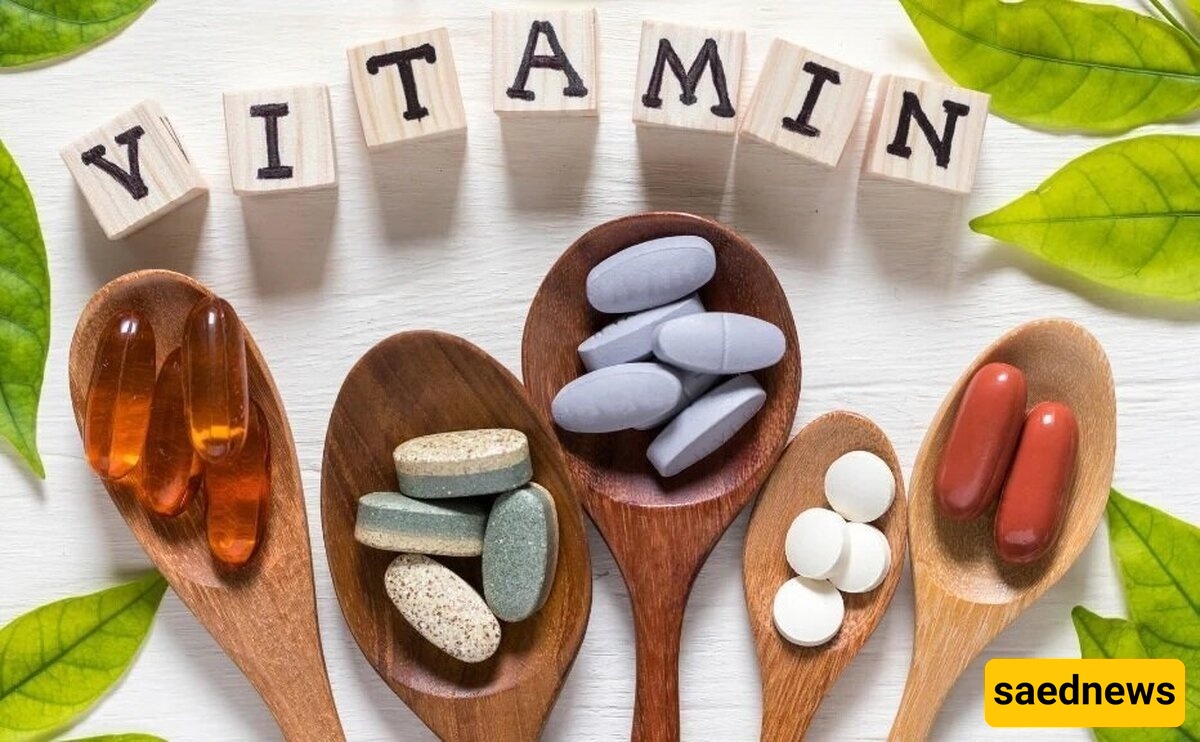
According to Saed News Agency’s Family Magazine service, citing Hamshahri, maintaining mental and physical health is especially important in crisis and high-stress situations. The use of omega-3 fatty acids, vitamins C and E, and B-complex vitamins may help reduce stress and anxiety. Ensuring proper hydration by drinking sufficient water is also essential.
Dr. Ahmad Esmaeilzadeh emphasized that maintaining calmness and composure under current conditions is necessary, recommending the consumption of foods that help control stress and anxiety.
Findings from numerous studies indicate that foods containing omega-3 fatty acids can have a positive effect on stress, anxiety, and tension.
He explained the sources of omega-3 fatty acids, recommending walnuts, purslane leaves, canola oil, and including fish and shrimp in the diet. He added that individuals should use these sources according to their financial means during this period. If access to these foods is not possible, omega-3 supplements may be used to help reduce stress and anxiety.
Esmaeilzadeh also highlighted B vitamins, stating that adequate intake of foods rich in B vitamins can help reduce stress. Whole grains, whole wheat bread, whole-grain biscuits, and dark whole-grain pasta are good sources that may help control anxiety and stress levels.
Regarding vitamin C, he noted its antioxidant properties. Free radicals released in the body during stress and anxiety can damage tissues, and vitamin C helps prevent further damage through its antioxidant effects. He advised people not to eliminate fruits and vegetables from their diet during this period, noting that citrus fruits—rich in vitamin C—are widely available.
On vitamin E, he mentioned wheat germ and foods such as nuts and seeds as important antioxidant sources.
He concluded that omega-3 fatty acids, vitamins C and E, and B-complex vitamins can help reduce stress and anxiety or mitigate their harmful effects on the body, thereby supporting overall health. He also stressed the importance of maintaining adequate hydration through sufficient water intake.
The director of the Community Nutrition Improvement Office further warned about weight management, noting that physical activity tends to decrease during stressful periods while cravings for sugary foods—especially among women—increase.
Sugary foods are high in calories, and increased calorie intake leads to weight gain, which can negatively affect health. Therefore, maintaining calmness and moderating sugar consumption is essential during such periods.
Stress, when uncontrolled, can cause inflammation in the body, leading to fatigue and a weakened immune system. One of the best ways to prevent chronic anxiety is through proper nutrition. The following foods are recommended:
Seeds, oils, and avocado
Healthy fats, especially monounsaturated fatty acids, help reduce anxiety, improve blood circulation, reduce inflammation, and may enhance concentration and reduce the risk of depression. Avocado, olive oil, and nuts are among the best sources.
Ginger
Ginger contains gingerol, a compound that reduces inflammation in the body and has a calming effect on the mind.
Cruciferous vegetables
Vegetables such as broccoli, kale, cauliflower, and Brussels sprouts are rich in vitamin C, which helps reduce cortisol (the stress hormone). They also support iron absorption and brain health through vitamin K1, contributing to mental calmness.
Blueberries
Blueberries are rich in antioxidants that strengthen the immune system, reduce inflammation, and lower cortisol levels, thereby reducing anxiety.
Fatty fish
Fatty fish are rich in omega-3 fatty acids essential for brain cell formation and cognitive function, making them beneficial for coping with stress and crisis situations.
During stressful periods, it is recommended to avoid alcohol, unhealthy fats, processed foods, and sugary products, as they can increase inflammation and worsen anxiety.
While maintaining a healthy diet to support mental well-being, adequate sleep should not be neglected. Sufficient sleep improves brain function and promotes calmness.